Selecting the Right Mulch for Your Garden: A Complete Guide
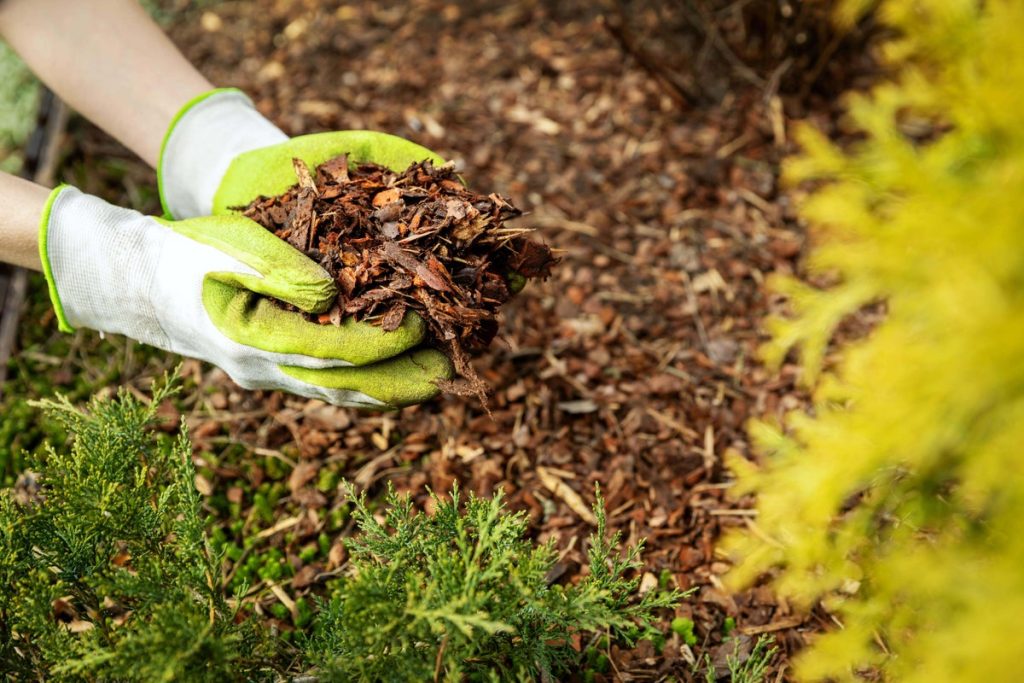
As gardeners emerge from winter and tackle spring weeding tasks, many turn their attention to mulching—applying protective layers around plants to control weeds, preserve soil moisture, and enhance nutrient content. However, selecting the appropriate mulch for specific gardening needs can be challenging.
According to gardening experts, most gardeners prioritize visual appeal when choosing mulch materials, often overlooking crucial factors like ingredient quality and environmental impact. Only a small percentage of gardeners carefully consider the composition and source of their mulching materials.
When shopping for mulch, experts recommend reading product labels thoroughly, checking the origin of materials, and purchasing locally sourced options whenever possible.
Organic Mulch Options
Garden Compost
Both homemade and commercially available compost serves as an excellent nutrient source for demanding plants like roses and hostas while effectively controlling weed growth. This versatile material works well on all soil types, helping maintain moisture levels and improving overall soil composition.
However, compost may not suit plants that thrive in nutrient-poor conditions, such as lavender and salvias. Additionally, some commercial compost products may contain unwanted weed seeds that require manual removal. For large garden areas, purchasing sufficient quantities of bagged compost can become costly.
Well-Aged Manure
Farm-sourced manure provides exceptional nutritional value and moisture retention properties, making it ideal for nutrient-hungry plants including roses and shrubs. This material significantly improves soil structure and rarely contains weed seeds.
The critical factor with manure is ensuring proper aging—fresh manure can damage plants due to its high concentration of nutrients. Properly decomposed manure should not emit strong odors or produce steam.
Straw-Based Materials
Straw mulches offer aesthetic appeal and pleasant aroma while decomposing rapidly to release beneficial potassium into the soil. These materials work well in raised beds and vegetable gardens during spring application.
Gardeners should exercise caution with young seedlings, as excessive potassium can harm delicate plants. Long-term use of straw mulch may lead to potassium buildup, though this typically only becomes problematic with continuous annual application.
Bark Chips
Bark mulch effectively suppresses weeds and retains soil moisture while providing additional ecological benefits. The increased moisture levels encourage beneficial soil organisms, including earthworms and decomposer insects, creating natural nutrient cycling similar to forest ecosystems.
For optimal results, experts suggest matching bark types to existing trees—using oak bark around oak trees or pine bark near pine species. When purchasing bark mulch, prioritize locally sourced, untreated materials, though proper labeling can sometimes be challenging to find.
Inorganic Mulch Alternatives
Non-biodegradable options include slate, stone chips, pebbles, and decorative glass. While these materials provide moisture conservation and weed suppression benefits, they present long-term considerations.
These permanent materials can migrate to lawn areas, potentially damaging mowing equipment, and will remain in garden beds indefinitely. Gardeners should carefully consider whether their aesthetic preferences will endure over decades, as removal becomes difficult once these materials are established.
Application Guidelines
For effective weed suppression without using landscape fabric, mulch should be applied at a depth of three inches. However, even shallow applications provide benefits by adding organic matter to soil composition.
The key to successful mulching lies in matching material properties to specific plant needs while considering long-term garden maintenance and environmental impact.