Exhibition Uncovers Queen Elizabeth II’s Hands-On Approach to Fashion Design
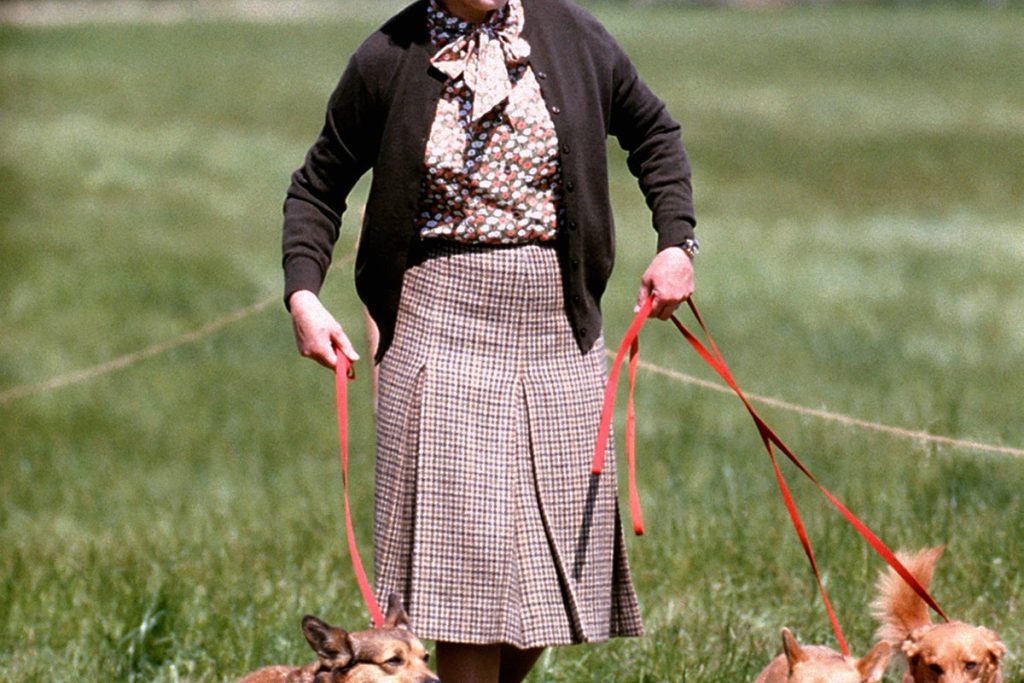
A forthcoming exhibition at The King’s Gallery in London will demonstrate that Queen Elizabeth II took an unexpectedly active role in designing her legendary wardrobe, personally directing everything from skirt lengths to decorative details for major international visits.
“Queen Elizabeth II: Her Life in Style” opens on April 10th, featuring approximately 200 clothing items and accessories to commemorate what would have been her 100th birthday. The display represents the most comprehensive showcase of royal garments ever assembled, illustrating how the monarch collaborated with Britain’s premier fashion designers to craft her distinctive public persona.
The exhibition spans ten decades of royal fashion, tracing her transformation from a young princess to Britain’s longest-serving sovereign, and examining how clothing became a crucial element of her communication strategy.
Meticulous Personal Involvement
Caroline de Guitaut, the exhibition’s curator and surveyor of the King’s Works of Art, discovered extensive evidence of the Queen’s detailed participation in wardrobe decisions during her research.
“The level of her personal involvement was remarkable,” de Guitaut observed. “Documentation shows she provided specific guidance on hemlines, decorative elements, and other particulars. The relationship between the Queen and her designers was truly collaborative.”
The monarch’s instantly recognizable aesthetic—featuring bold-colored coats, coordinated hats, practical footwear, and handbags—was deliberately developed to ensure visibility during public appearances and ceremonial events.
Strategic Style Development
Following her ascension to the throne in 1952, the young Queen established partnerships with renowned designers including Norman Hartnell, who crafted both her 1947 wedding gown and 1953 coronation dress, along with Hardy Amies, a prominent figure in post-war London haute couture.
These collaborations helped establish the visual vocabulary of her early reign, characterized by structured designs, intricate embroidery, and premium British fabrics that conveyed stability and hope in the post-war era.
Rather than organizing the exhibition chronologically, de Guitaut selected a thematic arrangement with dedicated sections for evening attire, casual wear, tailored pieces, and tour-specific wardrobes. This approach illustrates how different occasions demanded distinct sartorial strategies.
Color as Communication
Archival sketches and presentation materials reveal the extent of the Queen’s input, including handwritten annotations regarding fabric choices and color schemes for overseas engagements. Her strategic use of color became particularly significant in later years.
“Color served as a visibility tool and a messaging mechanism,” de Guitaut explained. During international visits, specific hues and embroidered motifs frequently incorporated diplomatic references to host countries.
For instance, yellow was regularly chosen for Australian tours as a tribute to the nation’s wattle blossom, while embroidered designs might feature symbols meaningful to visiting nations.
Supporting British Craftsmanship
The exhibition also celebrates the diverse British talent behind the royal wardrobe, highlighting both celebrated designers and lesser-known contributors like Avis Ford, who created sophisticated pieces while working under Madame Elizabeth Handley-Seymour.
When Buckingham Palace learned that design credits were sometimes incorrectly assigned, they implemented measures to ensure proper attribution in official records, demonstrating the Queen’s commitment to recognizing British artisans.
Private and Public Personas
The display includes elements of the Queen’s private wardrobe, featuring silk scarves, tartan skirts, weathered tweeds, and outdoor jackets that reflected her countryside lifestyle and family heritage. Even in casual settings, her attention to presentation remained evident.
Among the exhibition’s most significant pieces is the royal christening gown worn by 62 royal infants, including Queen Elizabeth II herself. Created in 1841 from Spitalfields silk and Honiton lace, this historic garment required 100 hours of specialized restoration before public display.
Fashion as Statecraft
The comprehensive collection reveals a monarch who recognized clothing as an integral component of royal duty rather than mere decoration. Through her wardrobe choices, she projected continuity, championed British industry, and conveyed nuanced messages without verbal communication.
The centenary exhibition ultimately demonstrates that Queen Elizabeth II’s iconic image—striking, dignified, and immediately identifiable—resulted from meticulous collaboration and extraordinary attention to detail throughout her remarkable reign.