UK Motorists Face Surge in Pothole Damage as Heavy Rains Conceal Road Hazards
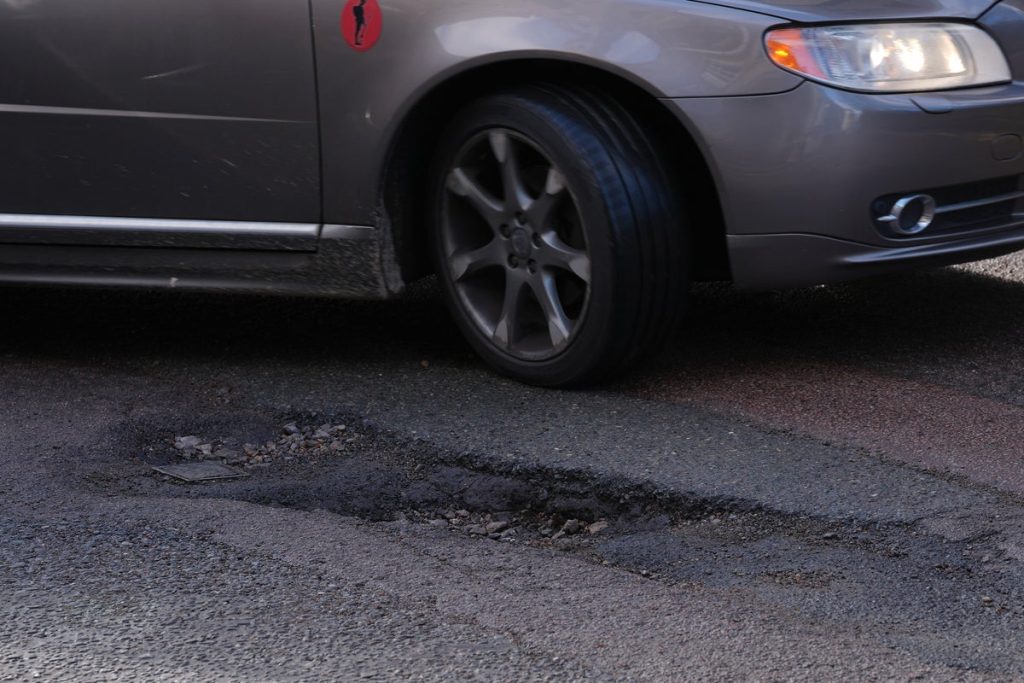
British motorists experienced a dramatic spike in pothole-related vehicle damage during the early months of this year, as excessive rainfall created standing water that masked dangerous road defects from drivers’ view.
The Royal Automobile Club documented a substantial escalation in breakdown incidents linked to road surface damage, with February recording daily pothole reports averaging three-and-a-half times higher than the same period in the previous year.
Weather data from the Met Office confirmed that England received 42 percent above-normal precipitation levels during the winter months of December through February. This excessive moisture resulted from multiple Atlantic low-pressure weather systems that delivered sustained periods of wet and windy conditions across the nation.
The most severe rainfall concentrations affected southern and central regions of England, creating widespread flooding and standing water on roadways.
Breakdown statistics revealed that 6,290 RAC members cited pothole encounters when reporting vehicle failures in February, representing a massive increase from just 1,842 similar incidents recorded in February of the prior year. January figures showed 5,106 pothole-related mentions, averaging 165 daily reports compared to 63 during the corresponding month twelve months earlier.
Vehicle damage typically associated with pothole strikes includes compromised shock absorber systems, fractured suspension components, and wheel deformation. These mechanical failures often require costly repairs that place significant financial burden on affected drivers.
Simon Williams, the RAC’s policy director, explained that February’s exceptional water accumulation created hazardous driving conditions where road surface defects remained invisible beneath pools and puddles. He suggested that inadequate drainage infrastructure may compound the problem, potentially stemming from reduced municipal maintenance activities.
Williams emphasized that water represents the primary threat to road integrity, as moisture penetrates surface cracks and subsequently freezes during cold temperatures, causing expansion that creates potholes. He stressed the importance of preventing water accumulation on local roadways to preserve long-term pavement condition.
Financial implications for motorists prove substantial, with repair costs for serious pothole damage potentially reaching £590 per incident, excluding simple tire punctures.
Tom Hunt, representing the Local Government Association’s inclusive growth committee, acknowledged councils’ awareness of recent persistent rainfall impacts on local highway systems. He noted that repair teams work diligently to address pothole problems quickly, though multiple factors influence repair timelines including weather conditions, safety considerations, road classifications, traffic volumes, and budgetary constraints.
The Department for Transport announced a record £7.3 billion funding allocation over four years to support council pothole remediation efforts. Officials emphasized their new rating system for evaluating council performance, focusing on comprehensive long-term repairs rather than temporary patching solutions.